

• Case ID: #28
  • Primary Personality Archetype: 🌱 The Steward (Rigidity Bias)
  • Systemic Risk: Ultra Vires Distribution (The Trustee's Trap)
  • Financial Impact: $140,000 Personal Surcharge / Total Distribution Void
  • Jurisdiction: Federal / National (Australian Trust Law)
  • Verification: Equity Court Litigation / Registry Archive #28
Reading Time: 2 minutes

Case File #28: The Trustee’s Trap

The Ultra Vires Gift

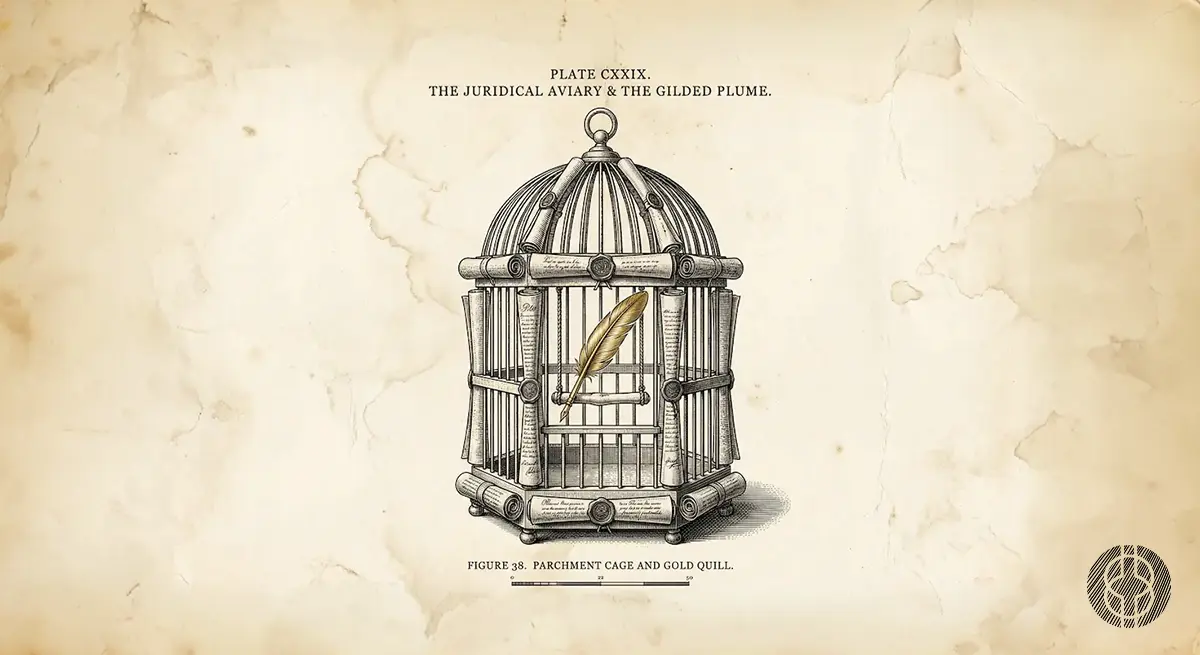
Frank was the trustee of his family's 'Discretionary Trust.' When his niece, Sophie, needed a deposit for her first home, Frank didn't hesitate. He sent $140,000 from the trust account. He felt like a hero until the trust’s other beneficiaries - Frank’s own children - realized the money was gone.

They sued their father. The 'Discretionary' power Frank thought he had was limited by the 'Beneficiary Class' defined in the trust deed from 1985. The deed included 'children and grandchildren' but specifically excluded 'collateral relatives' like nieces. Frank had committed a 'breach of trust.' The court ordered him to pay the $140,000 back into the trust from his own retirement savings. His generosity was illegal, and his family was fractured forever.

  • Clinical Mystery: Why did a professional trustee charge the estate more than the inheritance?
  • The Human Intent: To ensure 'impartiality' by appointing a large firm instead of a trusted family friend.
  • The Diagnosis: The Administrative Bleed: Over-structuring a small estate can lead to its total consumption by fees

Case File: Forensic Analysis

🔬 REGISTRY FILE: CLINICAL PATHOLOGY

The Artifact: The Mirror

The Intent: To read about the failures of others as a form of entertainment or 'light research' while assuming one's own structures are immune to similar errors

The Reality: 'The Protagonist Bias', where the reader fails to see themselves in the pathology of the cases, leading to the continued neglect of their own 'Shadow Risks'

Pathology: This is a meta-failure where the brain's 'Exceptionalism Centre' creates a wall between the reader and the reality of the legal system: the individual assumes that because they are 'good people' or 'successful business owners', the technical technicalities of the law won't apply to them in a crisis

The Legal Reality:  Under the Australian Legal System, ignorance of a structural requirement or a failure to maintain a documented registry is not a valid defence: the law is 'Form over Substance', meaning even the most successful empire can be dismantled by a single missing minute or an unregistered lease

🟢 ARCHITECTURAL PROTOCOL: SYSTEMIC FIX

The Antidote: The Archetype Audit Protocol. Move from 'Passive Reading' to 'Active Auditing' by identifying your own primary archetype (approach to life) and performing a deep-dive review of every case study associated with that profile

The Result: You will transition from 'Unconscious Vulnerability' to 'Structural Awareness'. You can ensure your natural strengths remain your greatest assets, instead of becoming your fatal flaws

The Sobering Script: The words to initiate the key conversation with another: 'I was reading 'The Mirror'. It made me realise all these business owners who lost everything, weren't 'bad' at what they did; they just had blind spots because of their natural leadership style. I see a lot of 'The Architect' in me, and that means I might be missing the very things that destroyed Case #40 and #48. Let's look at the 'Manual' together and make sure my style isn't putting our future at risk'

Sorry, this website uses features that your browser doesn’t support. Upgrade to a newer version of Firefox, Chrome, Safari, or Edge and you’ll be all set.