

• Case ID: #05
  • Primary Personality Archetype: ❤️‍🩹 The Caretaker (Self-Sacrifice Bias)
  • Systemic Risk: Blended Family Fracture (The Trust Fallacy)
  • Financial Impact: $2.2M Legacy Siphoned Away
  • Jurisdiction: Australian Estate Law
  • Verification: Succession Litigation Audit / Registry Archive #05
Reading Time: 3 minutes

The Scent of Tragedy

How a 'Simple Will can accidentally disinherit your own children.

He thought he was being a good husband. He thought he was being a good father. He ended up leaving his biological children as strangers to their own inheritance.

The Human Intent

The Ghost in the Inheritance

David was a success and a devoted father who lived by a dangerous rule: 'Harmony over Structure'. After remarrying, he wanted to ensure his new wife felt completely supported, but he also wanted his children from his first marriage to eventually inherit his $2.2M estate. He chose the 'Simple Path'. He left everything to his new wife, 'trusting' her moral compass to take care of his kids after he was gone. He wanted to avoid a difficult conversation about 'splitting the pie'.

The Caretaker’s Neural Blind Spot

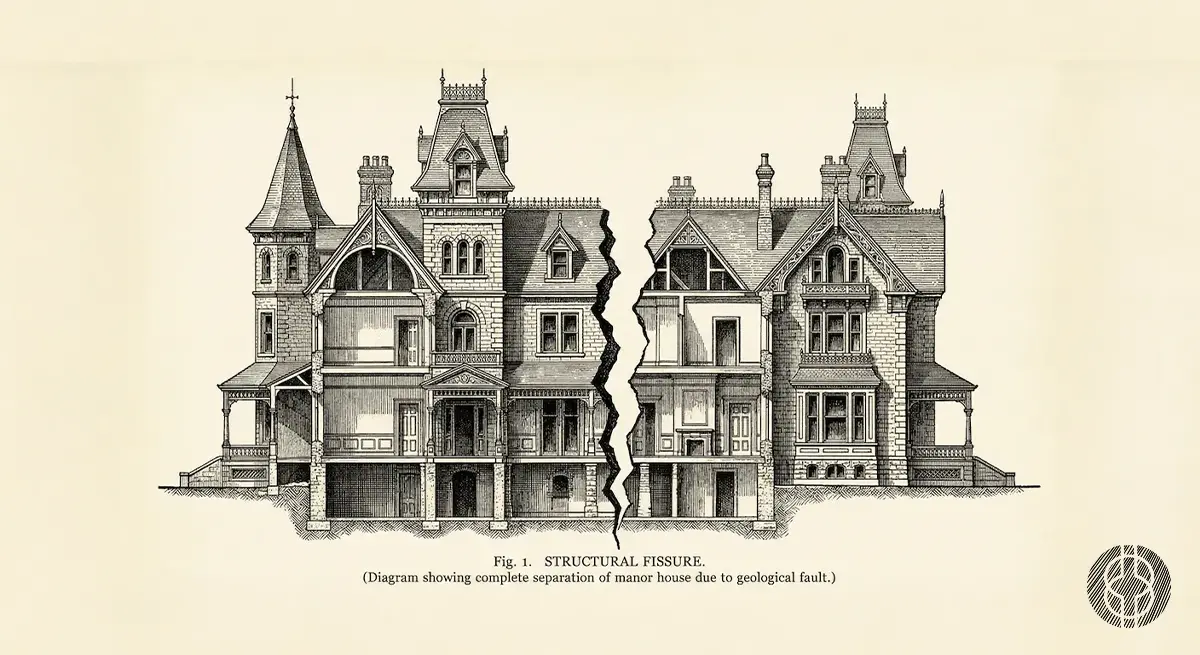
David's trust became a document gap. After his passing, his wife remarried and—under pressure from her new partner—changed her Will. When she died, the entire family estate passed seamlessly to her new husband’s children. David’s biological children, who grew up in the family home, were legally erased from the ledger, receiving exactly $0.

The Forensic Result

  • Systemic Risk: Blended Family Fracture (The Trust Fallacy).
  • Financial Impact: $2.2M legacy siphoned away to a third party.
  • The Final Blow: Following David's death, his wife remarried and changed her own Will. When she eventually passed away, the entire family estate - including David's assets - passed directly to her new husband’s children. David’s biological children received $0.

The Command Move: The Bloodline Trust

To protect your lineage, David could have moved from 'Trust' to 'Structure'. By executing a Bloodline Trust, he could have provided for a surviving spouse for their lifetime while legally 'locking' the capital for his own biological children. Certainty is the highest form of family care.

The 'Caretaker' had inadvertently funded the very addiction he spent a lifetime trying to heal, leaving his son with nothing but a depleted legacy and a near-fatal overdose.

  • Clinical Mystery: How does a 'Simple Will' accidentally disinherit your own biological children?
  • The Human Intent: He remarried and left everything to his new wife, 'trusting' her moral compass to look after his children from his first marriage.
  • The Diagnosis: The Trust Fallacy. He mistook a moral hope for a legal structure, allowing 'Conflict Avoidance' to destroy his children's future.

Case File: Forensic Analysis

🔬 REGISTRY FILE: CLINICAL PATHOLOGY

The Artifact: The Mirror

The Intent: To read about the failures of others as a form of entertainment or 'light research' while assuming one's own structures are immune to similar errors

The Reality: 'The Protagonist Bias', where the reader fails to see themselves in the pathology of the cases, leading to the continued neglect of their own 'Shadow Risks'

Pathology: This is a meta-failure where the brain's 'Exceptionalism Centre' creates a wall between the reader and the reality of the legal system: the individual assumes that because they are 'good people' or 'successful business owners', the technical technicalities of the law won't apply to them in a crisis

The Legal Reality:  Under the Australian Legal System, ignorance of a structural requirement or a failure to maintain a documented registry is not a valid defence: the law is 'Form over Substance', meaning even the most successful empire can be dismantled by a single missing minute or an unregistered lease

🟢 ARCHITECTURAL PROTOCOL: SYSTEMIC FIX

The Antidote: The Archetype Audit Protocol. Move from 'Passive Reading' to 'Active Auditing' by identifying your own primary archetype (approach to life) and performing a deep-dive review of every case study associated with that profile

The Result: You will transition from 'Unconscious Vulnerability' to 'Structural Awareness'. You can ensure your natural strengths remain your greatest assets, instead of becoming your fatal flaws

The Sobering Script: The words to initiate the key conversation with another: 'I was reading 'The Mirror'. It made me realise all these business owners who lost everything, weren't 'bad' at what they did; they just had blind spots because of their natural leadership style. I see a lot of 'The Architect' in me, and that means I might be missing the very things that destroyed Case #40 and #48. Let's look at the 'Manual' together and make sure my style isn't putting our future at risk'


Sorry, this website uses features that your browser doesn’t support. Upgrade to a newer version of Firefox, Chrome, Safari, or Edge and you’ll be all set.

{ "@context": "https://schema.org", "@type": "BlogPosting", "mainEntityOfPage": { "@type": "WebPage", "@id": "https://sapience.com.au/resources/penny-dreadful-case-files/lost-progeny-tragedy" }, "headline": "Case File 05: The Lost Progeny Tragedy", "description": "Examining the legal complexities of inheritance and the protection of future generations under Australian law.", "author": { "@type": "Person", "name": "Drew Browne", "url": "https://sapience.com.au/about/drew-browne" }, "publisher": { "@type": "Organization", "name": "Sapience Financial" }, "isPartOf": { "@type": "CreativeWorkSeries", "name": "Penny Dreadful Case Files", "url": "https://sapience.com.au/resources/penny-dreadful-case-files" }, "about": [ { "@type": "Thing", "name": "Estate Planning" }, { "@type": "Thing", "name": "Australian Law" } ], "inLanguage": "en-AU" }