



The Queen's Ink: The Sovereign Signature Trap
'She believed her signature was a final act of grace, but it was actually a catalyst for chaos.'
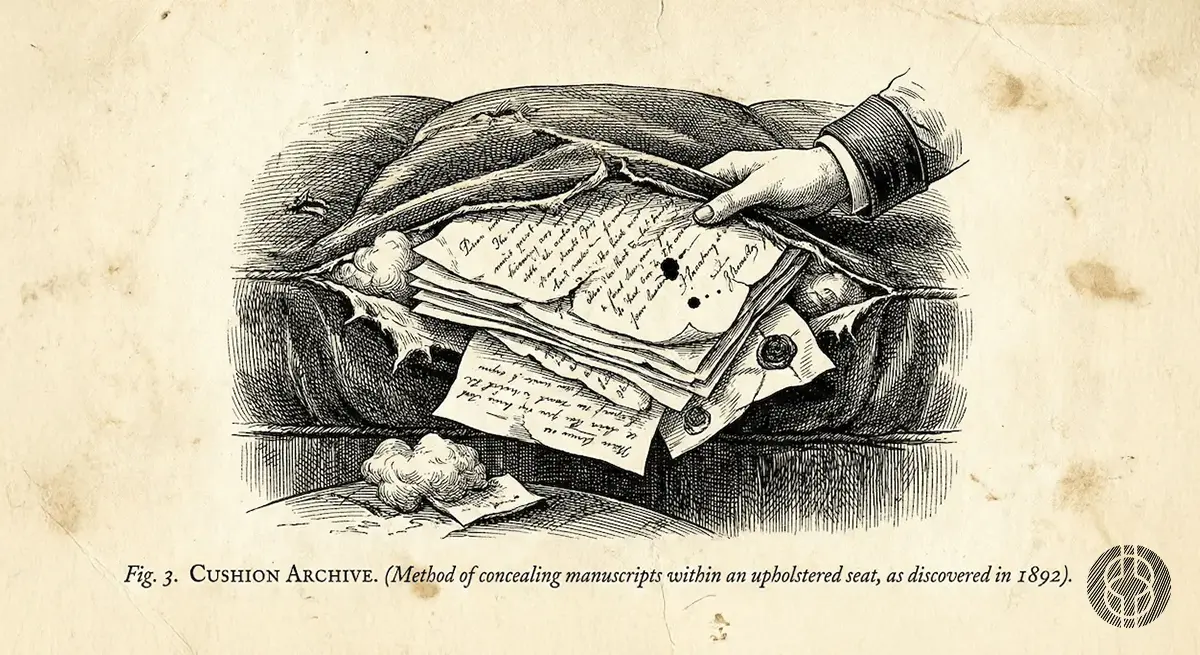
An matriarch of a significant family business in Melbourne spent her final years attempting to 'keep the peace' among four headstrong children. She was 'The Queen': the emotional and legal anchor of the lineage. Fearing that a formalised succession plan would cause immediate conflict, she chose to use 'The Queen's Ink' to sign a series of informal, conflicting promises in private letters to each child, promising them different 'crown jewels' of the estate to ensure their loyalty while she was alive.
The sting: Upon her passing, the children presented their 'private decrees', only to find they were legally irreconcilable and had no standing against the formal Will she had signed twenty years earlier. The 'peace' she tried to buy with her signature was replaced by a decade of Supreme Court litigation.
The family business was sold to pay the legal fees, and the four children, once united under her crown, became permanent strangers: divided by the very ink she used to try and save them.
- Clinical Mystery: Can a private letter of intent override a formal statutory Will?
- The Human Intent: To maintain family harmony and defer conflict by making private, informal promises to different children, assuming matriarchal authority overrode the need for formal legal updates.
- The Diagnosis: The Possession Fallacy. The parents believed their “Ownership” (The Steward) of the physical signature overrode the “Registry” (The Law).
Case File: Forensic Analysis
