

• Case ID: #03
  • Primary Personality Archetype: ❤️‍🩹 The Caretaker (Self-Sacrifice Bias)
  • Systemic Risk: Intergenerational Contagion (All-Moneys Guarantee)
  • Financial Impact: Full Liquidation of Principal Residence / Total Wealth Evaporation / Seizure of Primary Residence
  • Jurisdiction: Federal / National (Australian Financial System)
  • Verification: Registry Archive / LGC Forensic Dossier #03: The Collateral Debt
Reading Time: 3 minutes

The Collateral Debt: The High Cost of a 'Helpful' Signature

'We never saw the hook until it was already in the wall.'

A retired couple in Sydney’s Northern Beaches sat in a home they had owned outright for fifteen years. They were the ultimate 'Caretakers'. When their eldest son launched a boutique construction firm, they did not hesitate to help. They did not give him cash; they simply signed a 'Standard Guarantee' to help him secure a $2M commercial credit line. They believed they were providing a ladder; they were actually signing a death warrant for their retirement.

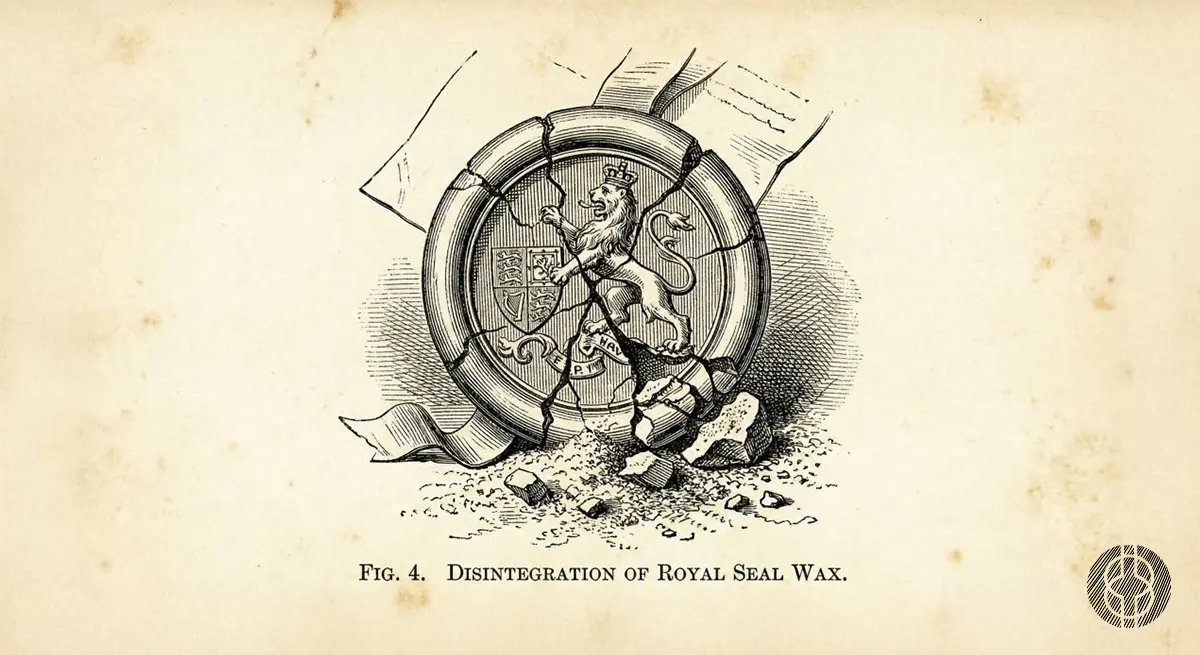
When the construction sector buckled and the son’s company collapsed, the bank did not just go after the business assets. They followed the paper trail back to the source. Because the parents had provided an 'All-Moneys Guarantee' secured by their primary residence, the bank moved with clinical speed. Within six months, the couple was served with an eviction notice. Their home - the fortress of their family legacy -was sold at auction to satisfy a debt they did not even spend.

  • Clinical Mystery: Why did a 'helpful' signature cost a grandmother her retirement?
  • The Human Intent: She signed a 'simple' guarantee to help her grandson buy his first home. When his business failed, the bank didn't go after the grandson—they went after her equity. Her home was seized to pay a debt she didn't even spend
  • The Diagnosis: The Relational Blindspot. Oxytocin bypassed the Prefrontal Cortex's risk assessment. This turned a gesture of care into a binding financial suicide when her home was seized to pay a debt she didn't even spend

Case File: Forensic Analysis

🔬 REGISTRY FILE: CLINICAL PATHOLOGY

The Artifact: The Ghost Shareholder

The Intent: To reward early support with equity while assuming that shares naturally lapse if the shareholder stops contributing to the business

The Reality: 'Equity Hostage', where a dormant minority shareholder uses their legal standing to block a major sale or demand an inflated payout

Pathology: This is a failure of the Steward Archetype where the brain's 'Relational Memory' overrides 'Statutory Reality': the individual treats the business as a personal story, failing to realise that a share is a permanent property right that remains valid regardless of relationship

The Legal Reality:  Under the Corporations Act, a share represents an ownership stake that does not expire: unless there is a signed 'Transfer Form' or a specific 'Shareholders Agreement' that forces the sale of shares upon leaving, the person on the registry remains a legal owner

🟢 ARCHITECTURAL PROTOCOL: SYSTEMIC FIX

The Antidote: The Equity Hygiene Protocol: move from 'Residual Holdings' to 'Clean Cap Tables' by ensuring all departing employees or founders sign formal share transfer documents at the time of their exit

The Result: You transition from 'Equity Vulnerability' to 'Transaction Readiness': you ensure your company's value belongs to the people who earned it

The Sobering Script: 'I read about 'The Ghost Shareholder'. A man had to pay $600,000 to a cousin he hadn't seen in thirty years just to sell his own business because he never cleaned up the share registry. I don't want any 'ghosts' in our family company. Let's look at the 'Manual' and make sure our share registry matches the reality of who is actually in the boat with us today'


Sorry, this website uses features that your browser doesn’t support. Upgrade to a newer version of Firefox, Chrome, Safari, or Edge and you’ll be all set.

{ "@context": "https://schema.org", "@type": "BlogPosting", "mainEntityOfPage": { "@type": "WebPage", "@id": "https://sapience.com.au/resources/penny-dreadful-case-files/the-collateral-debt" }, "headline": "Case File 03: The Collateral Debt", "description": "Exploring the intersection of business debt, personal liability, and estate protection in Australian law.", "author": { "@type": "Person", "name": "Drew Browne", "url": "https://sapience.com.au/about/drew-browne" }, "publisher": { "@type": "Organization", "name": "Sapience Financial" }, "isPartOf": { "@type": "CreativeWorkSeries", "name": "Penny Dreadful Case Files", "url": "https://sapience.com.au/resources/penny-dreadful-case-files" }, "about": [ { "@type": "Thing", "name": "Estate Planning" }, { "@type": "Thing", "name": "Australian Law" } ], "inLanguage": "en-AU" }